
The hearing is a small-claims proceeding over furniture, and the furniture in dispute is a set of entertainment centers. The judge spends the opening stretch of testimony testing whether the parties' statements say anything about those entertainment centers. The bench then turns to a new witness to establish what the defendant said on a telephone call. The question running through the hearing is whose entertainment centers these are and who kept them.
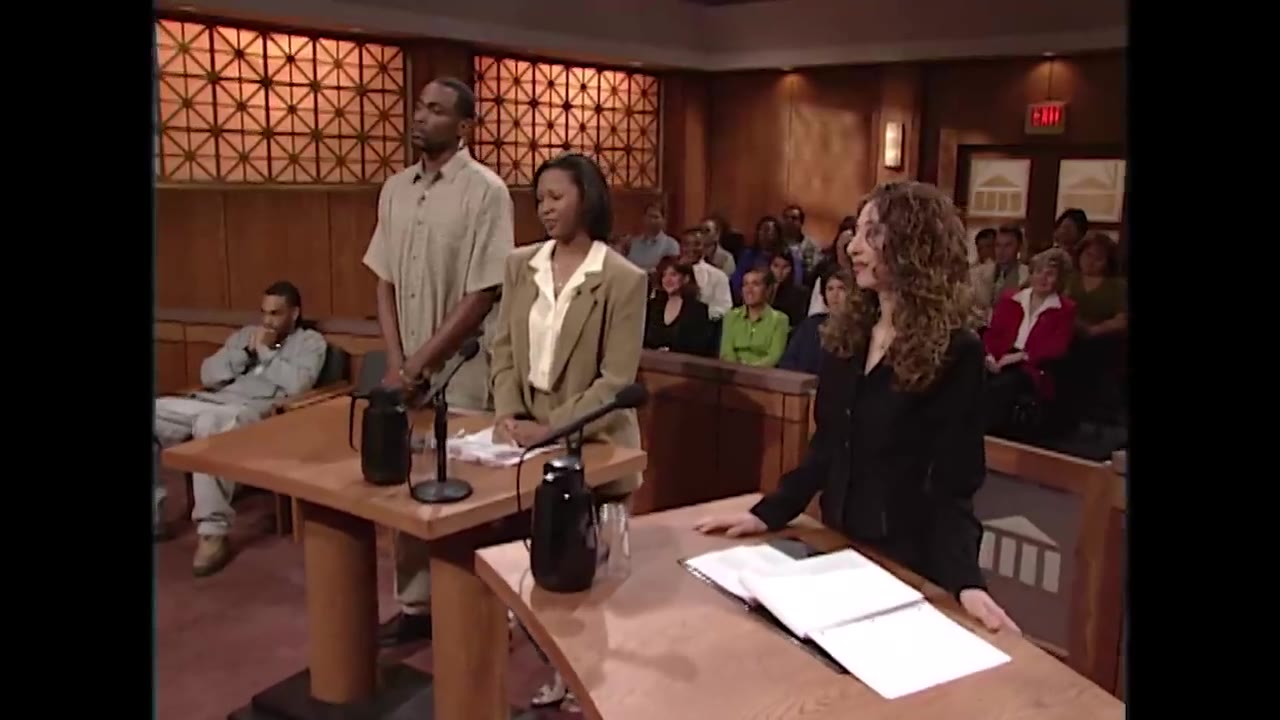
At the plaintiffs' table, one speaker had been reading from a letter into the record. The letter was offered to show that the other woman wanted a man out of her house. The judge cut in with a single question: "What does that have to do with this case?" The letter stopped mattering at that point.
The judge did not ask for what came next in the letter. The judge asked for the connection instead: "What does that have to do with the property?" The answer came back as an explanation rather than a document. Someone, the speaker said, had been told he had to do something "to get the property and all that type of stuff."
The explanation was the bridge the letter was meant to build. The judge did not cross it. The bench put the same question a second time, aimed now at the furniture rather than at the paperwork. Addressing the person before the bench as "Madam," the judge asked: "Does this let us say anything about I'm keeping your property?"
The two questions were the same question in different clothes. The first asked what the letter had to do with property. The second asked whether the property argument let the court say anything about a person keeping another person's property. The bench was measuring testimony against the claim over entertainment centers, not against the feelings described in the letter.
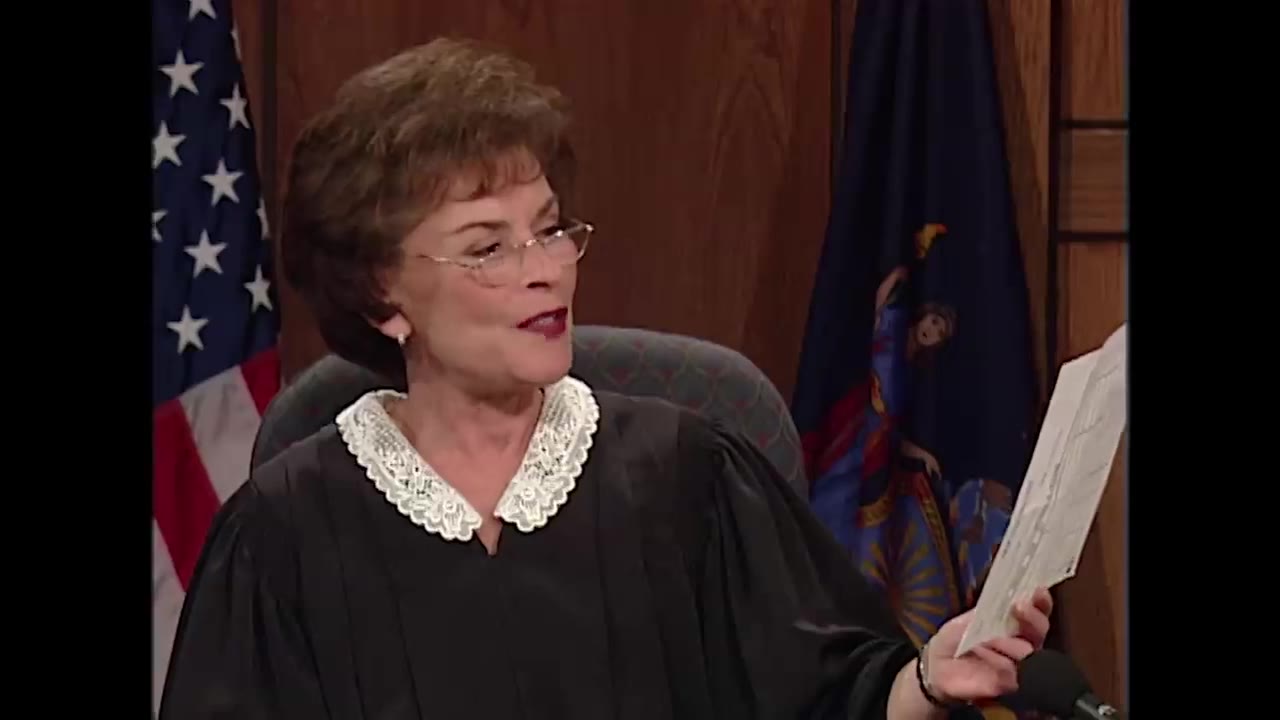
The line is shorthand for the claim itself in this hearing over entertainment centers. For furniture to be awarded to one side, the court has to establish two things. The entertainment center has to have been that person's, and the other side has to have taken it and kept it. Anything that does not move those two facts along is interesting, and interesting is not the same as relevant.
A story about advice someone received does not establish ownership of a single entertainment center. The reply from the table began "No, but—" and the judge ended it at "Good." The relevance fight was over. The letter's reason for being in the record went with the ruling, because the letter had been offered to support testimony the bench had just ruled out of bounds.
A small-claims hearing is the stripped-down version of a civil trial. There is no jury, the rules are tighter, and the parties argue their own case instead of hiring lawyers. The hearing runs on a single filter, relevance. That filter asks whether a piece of testimony makes a fact that matters more or less likely to be true. Here the fact that mattered was whose entertainment centers these were.
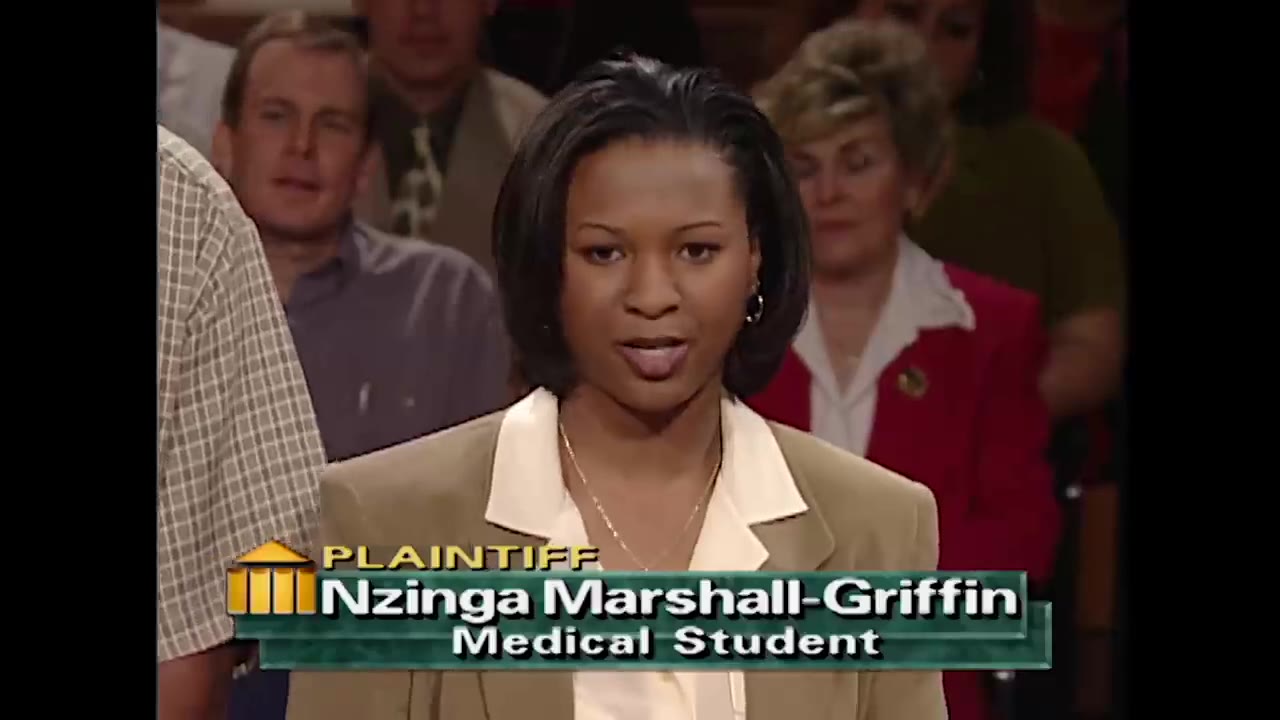
Having cleared the relevance question, the judge went back to a demand already put to the plaintiff once. "So you have no bills for the three entertainment centers," the judge said. The word bills does a lot of work in a hearing over entertainment centers. A bill is paper that ties a person to a thing, such as a store receipt, a credit-card statement, a layaway slip or a printout from the shop.
A bill is also the cheapest, fastest proof of ownership available. A bill is the thing a claimant is always asked for first. Nothing about the request was new except its shape. The bench had already ordered, "Show me the bills then for three entertainment centers." The plaintiff had already answered from her table: "I don't have the receipts on me."
The plaintiff then changed evidence, producing the letter instead of a document. The examination broke off mid-reading, and the judge came back to the same ground. The first time, the request was an order to produce. The second request was a proposition put to the plaintiff to confirm and put on the record.
Comments 0